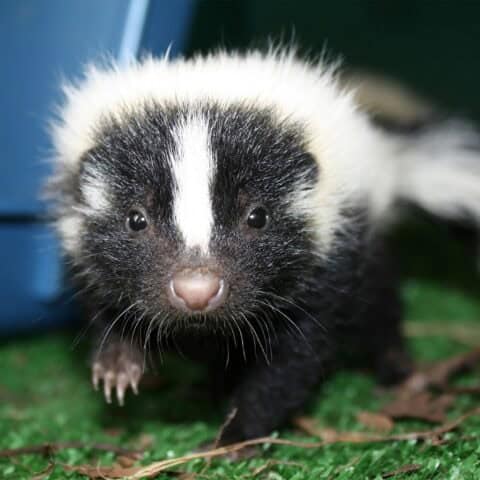
As the weather cools, many residents start preparing their homes and yards for winter. It’s also a good time to check whether food, shelter or an opening in the home could attract wildlife.
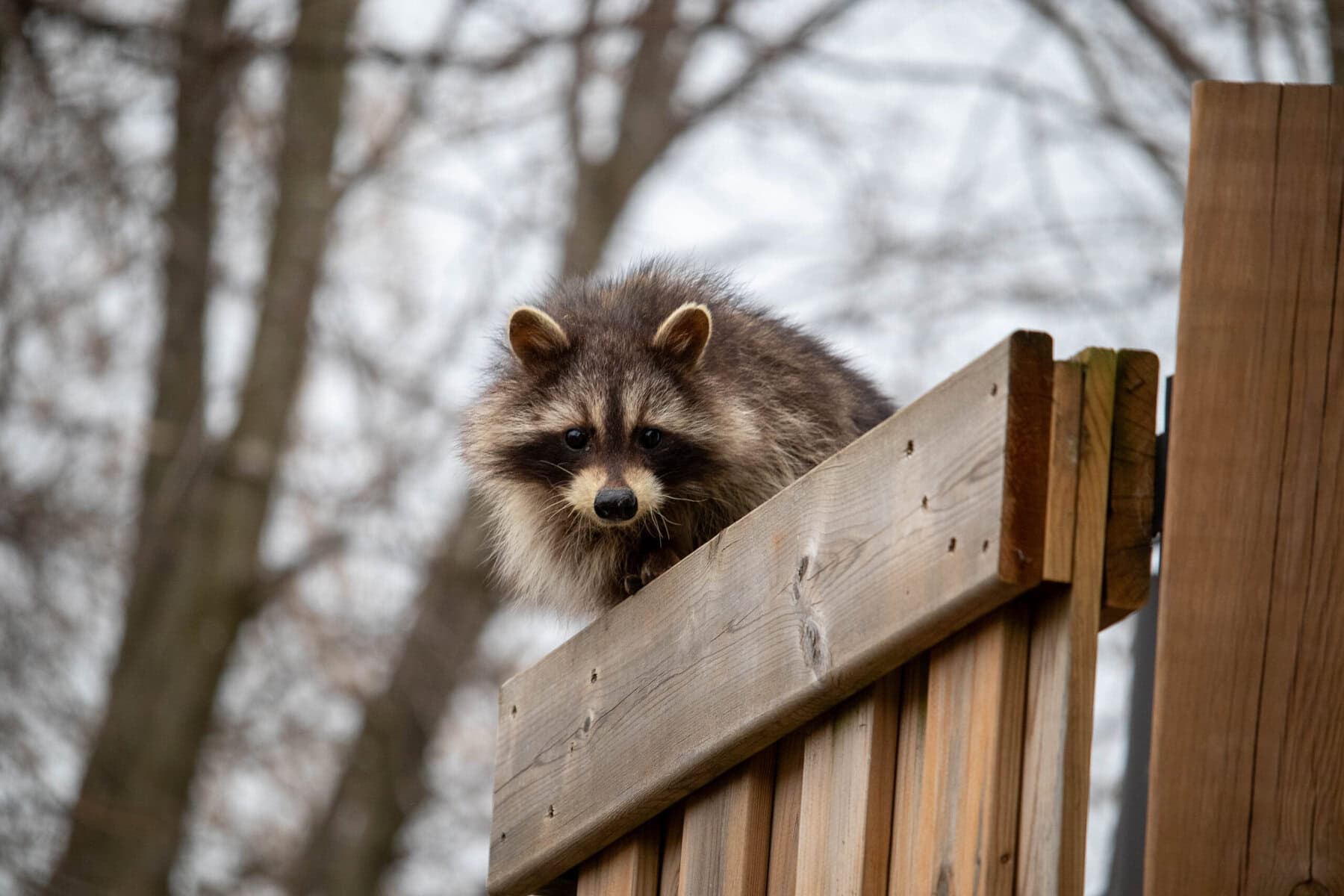
Halton’s creeks, ravines, parks and trails are part of the landscape residents share with wildlife. Whether you live near Sixteen Mile Creek, Bronte Creek or elsewhere, you may notice animals such as raccoons, squirrels, rabbits, coyotes and mice moving through the neighbourhood.
Seeing wildlife outdoors doesn’t mean an animal needs to be removed. A few checks around your property can help keep wildlife wild while reducing
the chance that your home becomes a source of food or shelter.
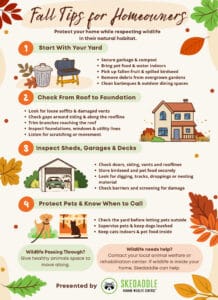
Remove Food Attractants From Your Yard
Take a walk around your property and:
- Secure garbage and compost bins so wildlife can’t get into them.
- Pick up fallen fruit and nuts from under trees.
- Clear away rotting vegetables and leftover food from gardens.
- Clean up spilled birdseed beneath feeders.
- Bring pet food and water dishes indoors when they’re not in use.
- Clean outdoor cooking areas and barbecues after use.
- Keep brush, debris and wood piles tidy to reduce potential hiding places.
Feeding wildlife may seem helpful as winter approaches, but it can cause animals to rely on people for food and increase the chance of conflict.
Check Sheds and Garages
Sheds, detached garages and other outbuildings can offer wildlife a sheltered place to enter or hide. During your fall cleanup:
- Check around doors for gaps.
- Inspect the roofline, siding and vents for damage.
- Look for digging near the base of the structure.
- Store birdseed, grass seed and pet food in secure containers.
- Watch for droppings, nesting material or gnaw marks.
If you think an animal is already inside, don’t immediately close the opening. First make sure the animal has a safe way to leave.
Inspect the Roofline
The roofline is easy to overlook during routine yard work, but damaged soffits, vents or gaps can give wildlife access to an attic. From the ground, look for:
- Loose or damaged soffits
- Damaged roof or attic vents
- Gaps where the roof meets the siding
- Loose roofing materials
- Chewing, pulling or other damage
- Tree branches that reach the roof
- Grease marks or other signs of repeated animal activity
Scratching, scurrying or movement in the attic may also be a sign that an animal has entered.
Check the Foundation and Lower Levels
Mice can squeeze through small openings around a home’s exterior. Check the foundation and look around utility lines and pipes, exterior vents, garage doors, window wells and places where building materials meet.
Finding gaps early can help you understand where wildlife might get inside. If you find signs that an animal is already in the home, avoid sealing an opening until you know it can leave safely.
Look Under Decks and Porches
The space beneath a deck, porch or shed can provide shelter. Before closing off an opening, check for signs of current activity, such as fresh digging, tracks, droppings, nesting material or repeated wildlife visits.
If you suspect an animal is using the space, don’t block its exit. An animal already inside needs an opportunity to leave safely.
Keep Pets Safe Around Wildlife
Raccoons, coyotes, skunks and other wildlife may be active in neighbourhoods during the fall. Pet owners can reduce the chance of an encounter by supervising pets outdoors, keeping dogs leashed on walks, keeping cats indoors and bringing pet food inside.
If you see wildlife while walking with your pet, give the animal plenty of space and don’t approach it.
Know When to Ask for Help
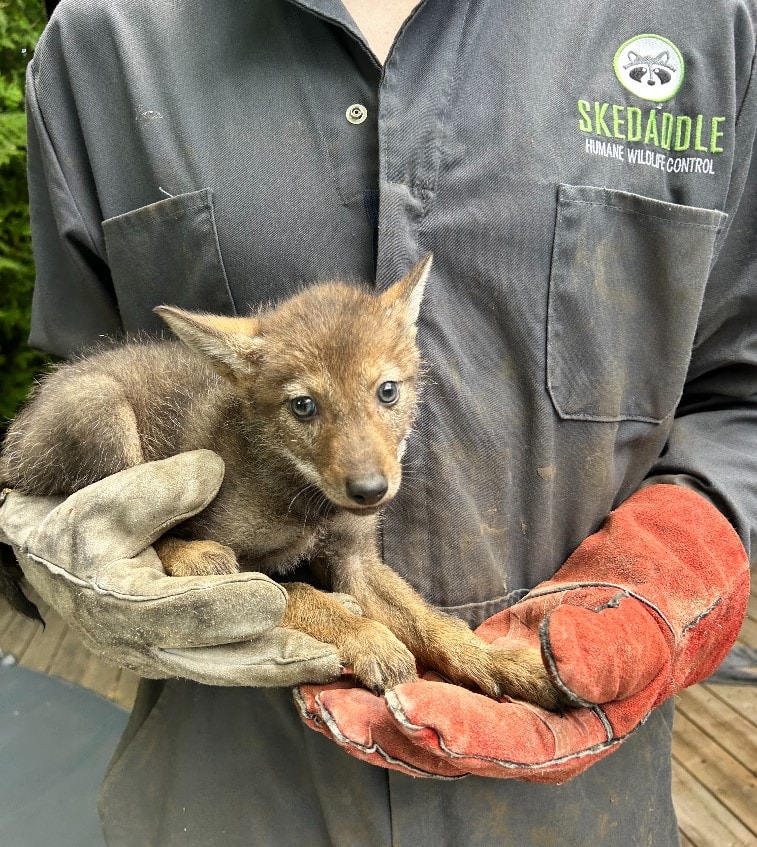
A raccoon crossing your yard, a squirrel gathering food or a coyote passing through the neighbourhood doesn’t necessarily need intervention. If an animal appears sick, injured or orphaned, contact the Humane Society of Oakville Milton & Halton for guidance rather than trying to capture or care for it yourself.
If healthy wildlife has entered an attic, wall, shed or another part of your home, the next step is to determine how it got in and how to prevent future entry. Avoid sealing an opening until you know the animal has left.
Prepare Your Home for Winter
Wildlife is part of our neighbourhoods and natural areas. Protecting your home doesn’t mean keeping animals out of the community; it means reducing food and shelter attractants on your property and closing entry points once they’re safe to address.
Before winter, check your yard, shed, garage, roofline and foundation for signs of activity or potential access. Pick up fallen fruit and spilled seed, secure garbage and look for damage around the outside of your home.
If wildlife has already moved inside, Skedaddle Humane Wildlife Control can help identify the animal and entry points, remove the animals humanely and protect vulnerable areas of the home from future entry. A fall property check can help you enjoy seeing wildlife outdoors while reducing the chance of an unexpected indoor visitor.