Emergencies can happen when we least expect them. A house fire, power outage, severe weather or another unexpected event can leave you scrambling to make sure everyone in your household is safe, including your pets.

The best time to make a plan for your pet is before you need one.
Start with a plan
Take a few minutes to think about what you would do if you had to leave your home quickly. Include your pets in your emergency plan and, if possible, practice your escape plan with them. Knowing where your pets like to hide can also help you find them quickly in an emergency.
Make sure every family member knows which pet they are responsible for if you need to evacuate. If you have multiple pets, this can help ensure no one is accidentally left behind.
It is also a good idea to have a backup caregiver who can help evacuate your pets if you are not home. Give them a key and make sure they know where your pets, carriers and emergency supplies are kept.
Make your pets easy to identify
Microchipping your cats and dogs and making sure they are wearing collars with up-to-date ID tags can make a big difference if you and your pet become separated.
If your pets are home alone, keep them near entrances where rescuers can more easily find them. You can also place Pet Alert stickers on exterior doors and windows to let emergency responders know what type and how many pets are inside your home.
Build a pet emergency kit
Having supplies ready to go means you won’t have to search for them when time is limited. Make an emergency kit for each pet and keep it somewhere that is easy to grab, ideally near an exit.
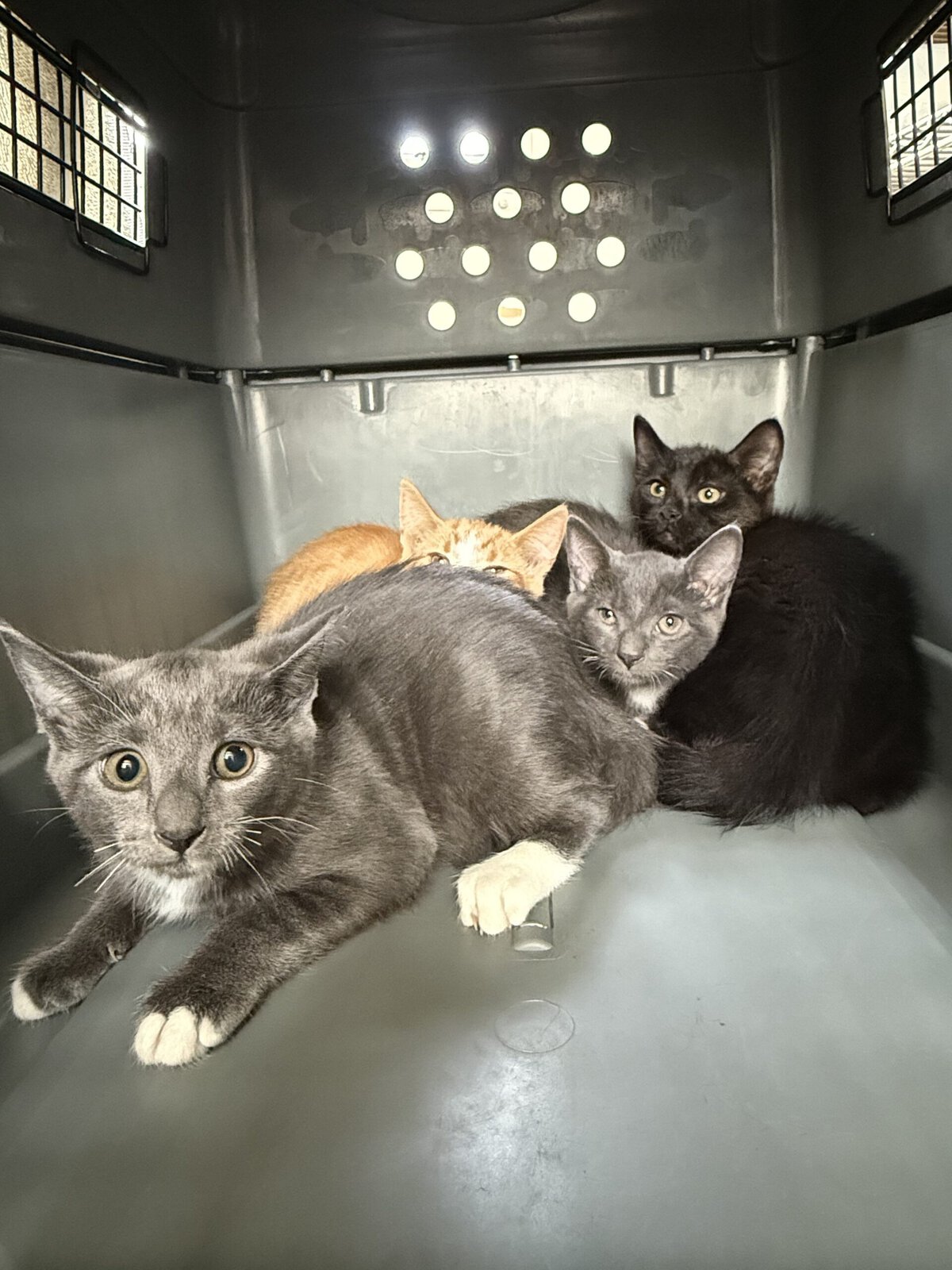
Your kit should include essentials such as food and water, bowls, medications and medical records, leashes, harnesses, carriers, litter supplies for cats, and comfort items such as a blanket or favourite toy.
It is also helpful to keep current photos of you with your pets, along with written descriptions of them and important contact information for your veterinarian. Having a list of pet-friendly hotels or motels can also be helpful if you need to leave your home temporarily.
Don’t forget to check your emergency kits every six months. Replace expired or damaged items, restock anything you’ve used and make sure your pet’s medical information is up to date.
Take steps to prevent fires
Pets can sometimes get into situations that create fire hazards, particularly when they are left home alone.
Never leave open flames such as candles, fireplaces or stovetops unattended. Consider flameless candles and stove knob covers, and keep electrical cords out of your pet’s reach.
Use barriers to keep pets at least three metres away from fireplaces, campfires, barbecues and portable heaters. When you are away from home, consider using crates or baby gates to keep pets away from potential hazards.
Make sure your home has monitored smoke detectors, and check their batteries monthly.
If there is a fire
If you need to evacuate, bring your pet with you if you can do so safely. However, never put yourself at risk or delay your evacuation trying to save a pet.
Once everyone is safely out of the home, contact emergency responders and let them know there are pets inside if you were unable to evacuate them.
Be prepared before an emergency happens
A little preparation now can make an overwhelming situation easier for you and your pets. Take some time this month to create or update your pet’s emergency plan, gather your supplies and make sure everyone in your household knows what to do.
For a complete list of recommended emergency kit and first aid supplies, along with more tips for keeping your pets safe, read our Protecting Your Pet in an Emergency brochure.
Prefer a paper copy? You can also pop into HSOMH to pick one up.
Because when an emergency happens, being prepared can make all the difference.