Fall brings plenty of changes to the Halton area. Temperatures begin to drop, daylight hours get shorter and natural food sources for wildlife start to shift. While homeowners are preparing their properties for the colder months ahead, storing patio furniture and raking leaves, local wildlife is preparing too.
Raccoons, squirrels, mice, coyotes, rabbits and other forms of wildlife remain active throughout the area during autumn, eating and collecting as much food as they can before the cold winter months arrive. For these animals, finding reliable food and safe shelter is their top priority, which can bring wildlife closer to homes, yards and urban neighbourhoods.
Understanding what these animals are doing can make it easier to avoid unnecessary conflicts and know when an animal may actually need help, or when they may be safely existing alongside us.
Why Wildlife Behaviour Changes During Fall
So, if all wildlife is busy, then what exactly are they doing? Well, it depends entirely on the species. Each of our wildlife neighbours have different fall routines, habits, and priorities.
Squirrels, rats and mice will spend significant time gathering and storing food. Rodents typically create multiple different food stores around the community and within range of their nest to ensure that if one pile disappears, they will always have another to replace it with. These species also prefer similar nesting places, often finding their way into wall cavities, attics and sheds to wait out the cold winter months.
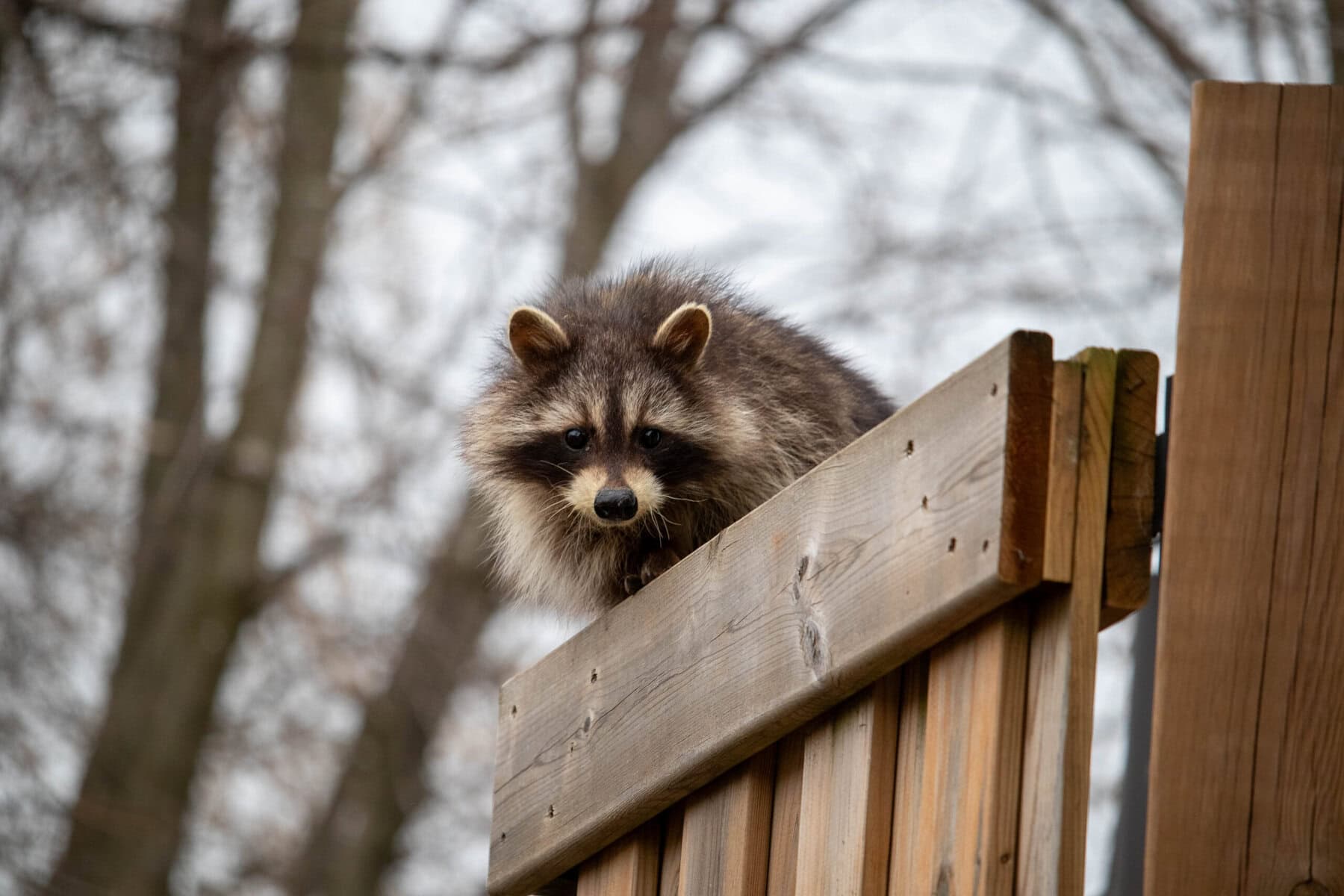
Raccoons are focused on gaining as much weight as they can, eating and foraging throughout the entirety of the season. Accessible garbage, compost, fallen fruit, overgrown gardens and other food sources can make residential properties especially attractive. While they may choose a hollowed out log or a dense bush as their winter den site, attics are a raccoon’s favourite place to nest for winter. The warm insulation and easy access from the roof makes it a common place to find raccoons nesting for winter.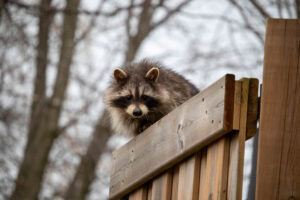
Rabbits remain active throughout the fall, spending much of their time foraging as vegetation changes and food availability shifts. As grasses and other green plants become less abundant, rabbits will feed on a variety of available vegetation, including leaves, twigs, bark and garden plants. They may also spend more time around residential properties where gardens, shrubs and other vegetation provide accessible food sources. Rabbits typically shelter in shallow nests or dense vegetation, using areas with tall grass, brush and other natural cover to stay protected from predators and the changing weather.
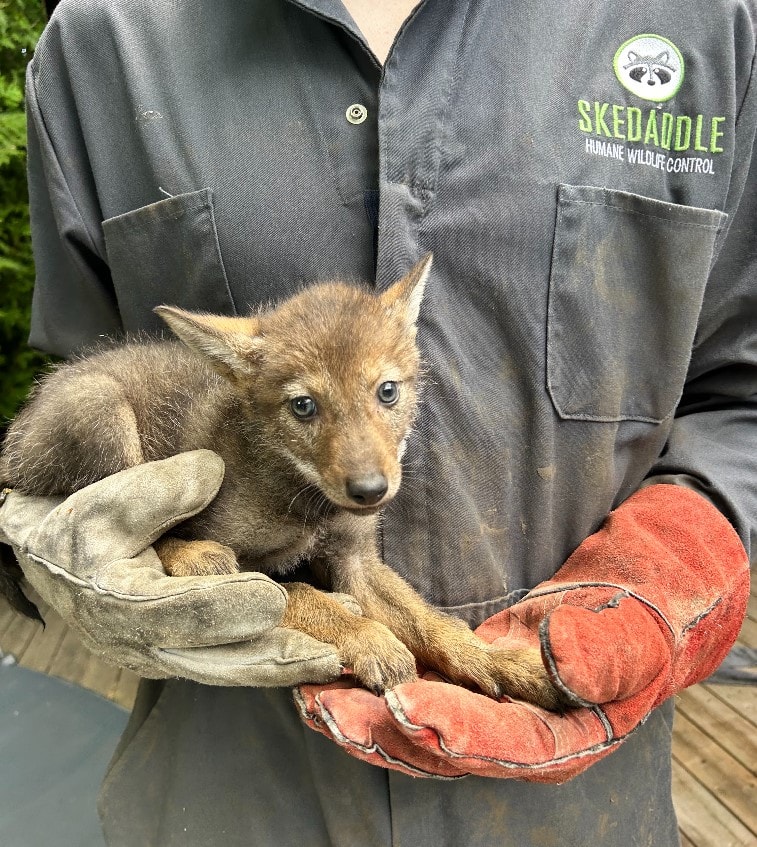
Coyotes also remain active throughout the fall, spending much of their time travelling and searching for natural food sources. As they prepare for the colder months, coyotes may cover larger areas while looking for rodents, rabbits and other small mammals. They may travel through parks, ravines and natural areas, but can also pass through residential neighbourhoods when moving between suitable habitats or searching for food. Coyotes generally do not hibernate or enter a winter den, allowing them to remain active throughout the colder months. Residential properties can become attractive when they provide easy access to food, particularly where garbage, compost or fallen fruit is left outdoors.
Seeing more wildlife around your neighbourhood during this time does not necessarily mean something is wrong. Oakville is home to a diverse urban wildlife population, and sharing space with these animals is part of living throughout the town’s many natural areas.
When Does Wildlife Actually Need Help?
An animal being outside during the day, travelling through a yard or spending time near a home does not automatically mean it is sick, injured or in distress. In fact, trying to intervene when an animal does not need assistance can often do more harm than good.
There are situations, however, where professional guidance is important. An animal that has an obvious injury, appears severely ill or is behaving abnormally may require assistance. If you find wildlife you believe is sick, injured or orphaned, keep your distance and contact an authorized wildlife rehabilitator or local animal services for guidance rather than attempting to capture or care for the animal yourself.
Pets and Wildlife
Fall is also a good time for pet owners to be especially aware of wildlife activity.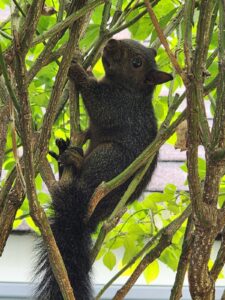
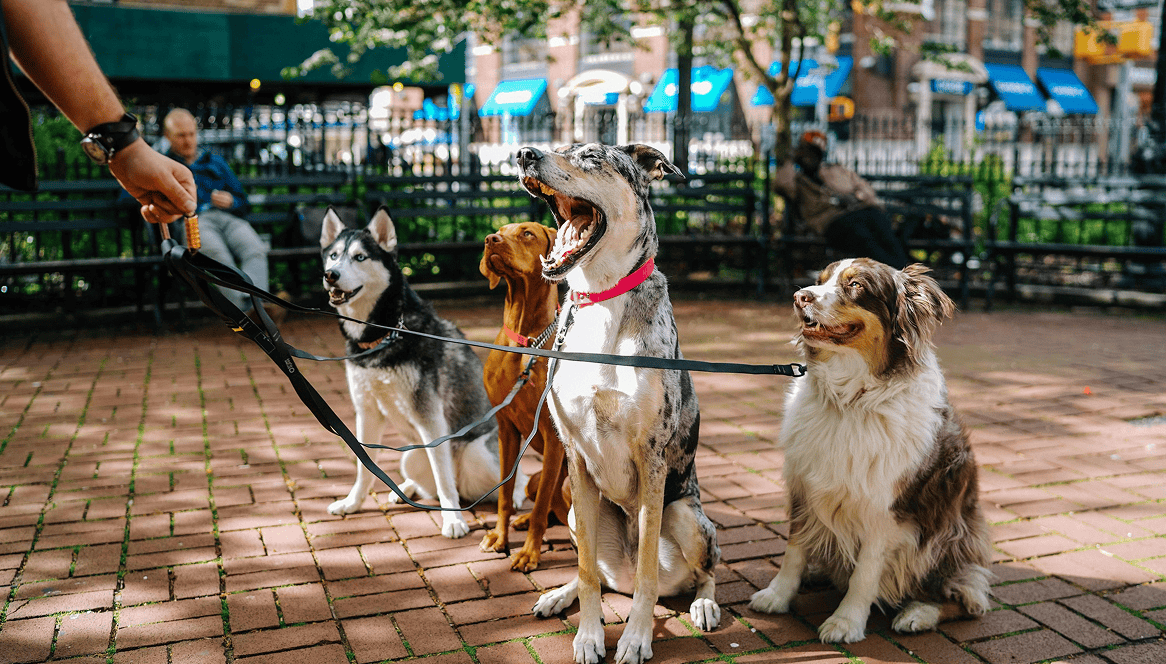
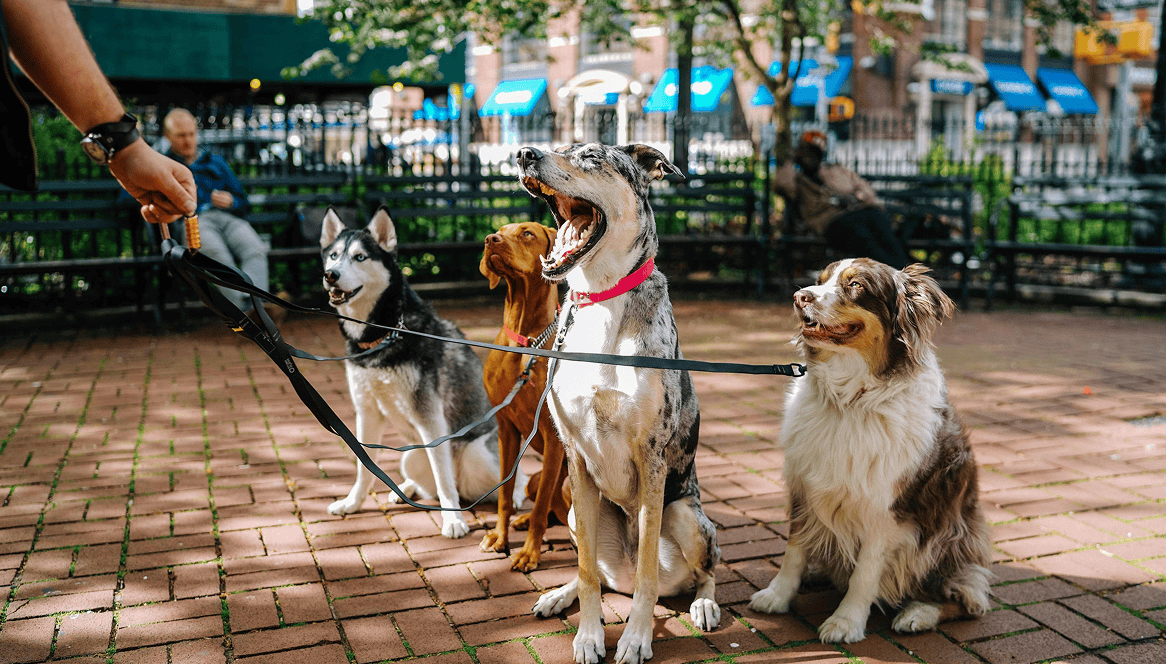
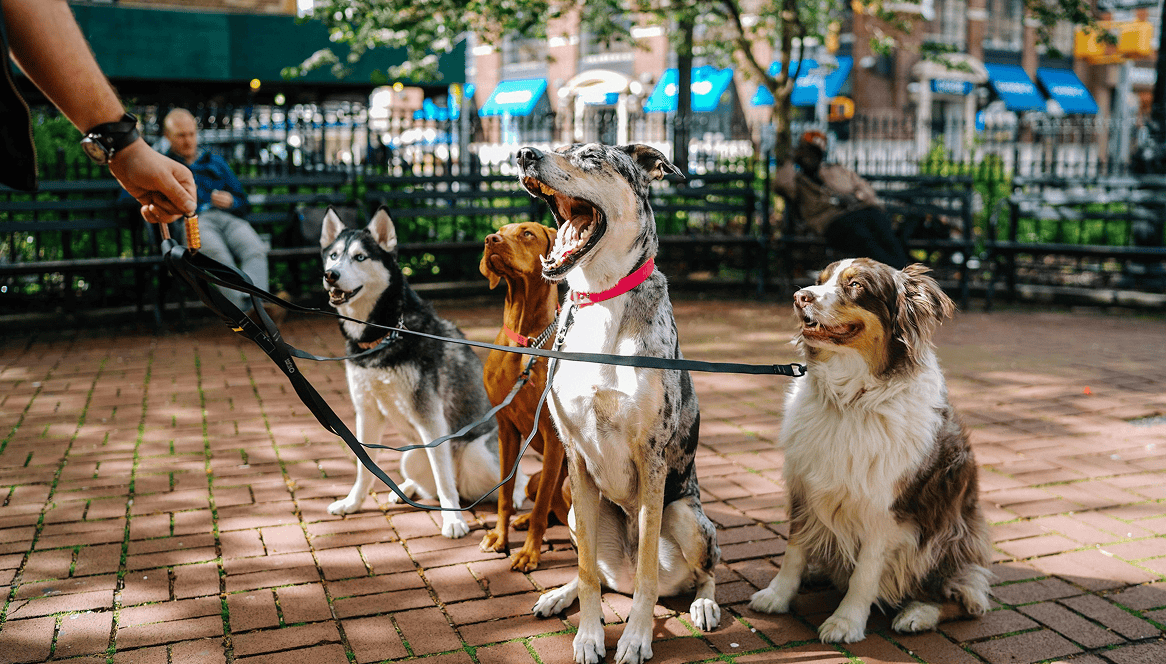
Dogs should be supervised outdoors and kept on a leash while walking, particularly near ravines, trails and greenspaces where wildlife is common. Before letting a dog into the backyard, take a quick look around for raccoons, skunks, coyotes or other animals.
Cats are safest indoors, where they are protected from encounters with urban wildlife.
Pet food can also become an unintended wildlife attractant. Feeding pets indoors and bringing food and water dishes inside when they are not being used can help prevent wildlife from associating your property with an easy meal.
What Homeowners Can Do To Support Wildlife This Fall
The best way to support wildlife this fall is to give animals the space to remain wild. By removing artificial food sources, protecting pets and preventing access to homes, residents can reduce conflicts while continuing to enjoy the wildlife that shares their neighbourhoods.
If you have wildlife living in your home, Skedaddle Humane Wildlife Control can help you remove the animal with care, while still protecting your property and the animals in your community. Keep an eye out for wildlife this fall, and protect your home before they decide to settle in for the upcoming winter season.