With winter weather settling in and colder days ahead, the Humane Society of Oakville, Milton & Halton is reminding pet owners to take extra care to keep their pets safe. Cold weather can be hard on animals especially those who are young, senior, short-coated, or managing health issues. A good rule of thumb is: if you’re cold outside, your pet likely is too.
Winter can catch people off guard. A few simple precautions can keep your pets safe, comfortable, and healthy through the season. Below are key reminders for pet owners as the temperature drops:
Cold Weather & Walk Safety
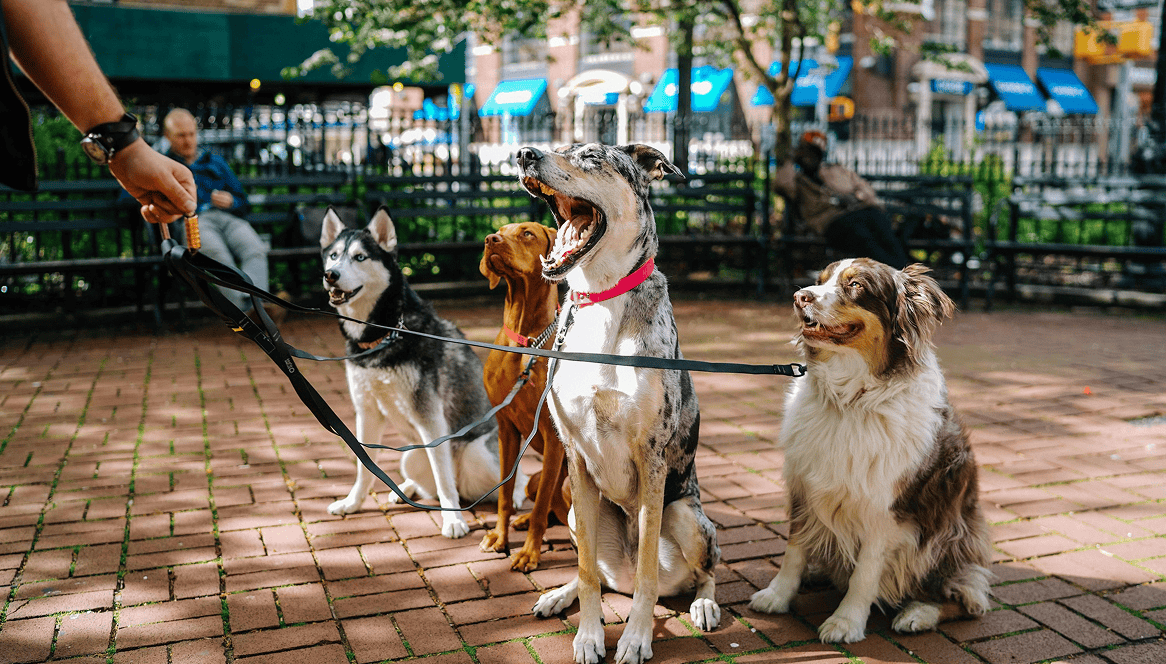
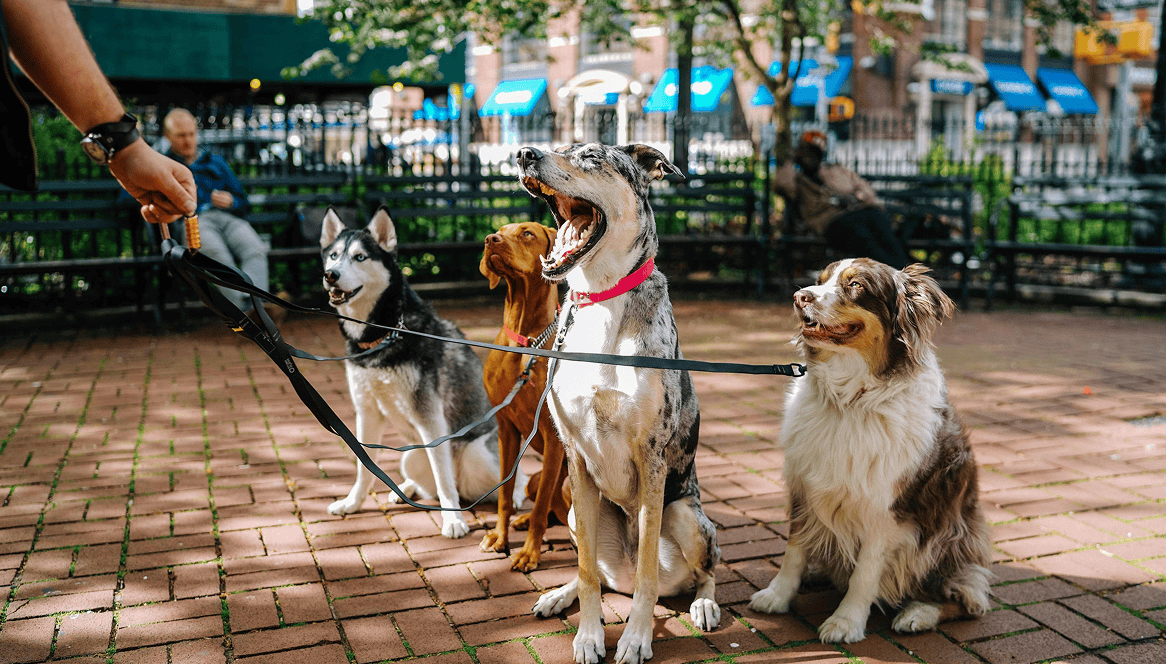
Dogs still need exercise but keep outings brief on extremely cold days or during winter storms. Keep your dog leashed as reduced visibility, blowing snow, and ice can make it harder for dogs to navigate and easier for them to get lost. Be sure your dog always wears a collar with an ID tag.
Never leave an animal outside for an extended period once the weather drops to freezing or below.
Coats, Sweaters & Protective Gear
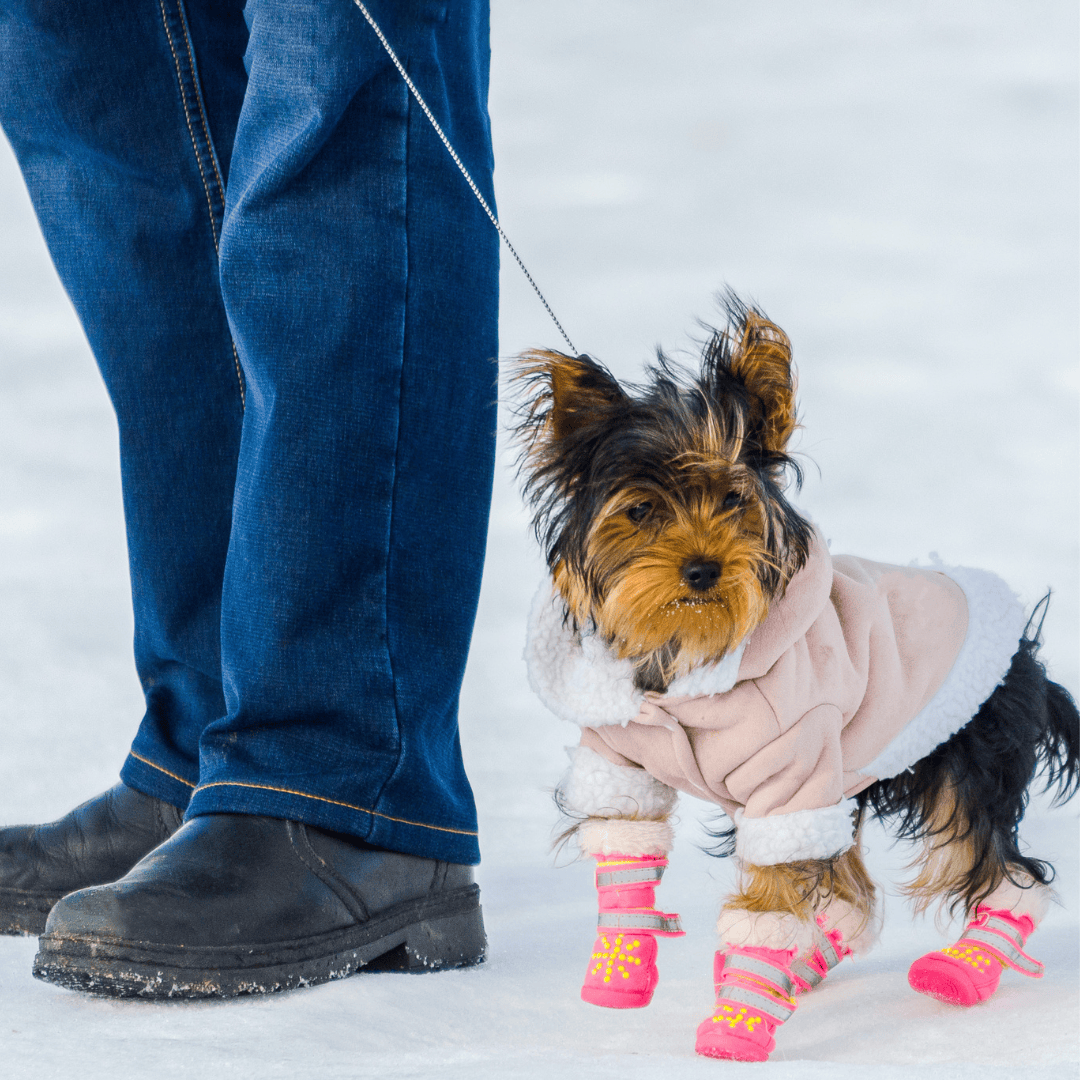
- Not all dogs have the same tolerance for the cold. Breeds with thin or short coats, as well as many small breeds, often need a sweater or coat to stay warm.
- Apply a thin layer of petroleum jelly or a vet-approved paw balm to your dog’s paws before heading outside. It helps shield them from salt and other chemicals.
- Booties offer even better protection and stop salt or sand from getting stuck between their toes.
Hidden Dangers Around the Home
Cold weather brings hazards that are often overlooked:
- Antifreeze is highly toxic. Keep it sealed, stored safely, and clean any spills immediately.
- Cold weather chemicals, like ice melts, can be dangerous if ingested so keep them out of reach. When you can, choose pet-safe ice melt products.
- Warm engines attract cats and wildlife. Tap your car hood before starting the engine to make sure no animals have crawled underneath to seek warmth.
- Icy sidewalks and untreated paths can be risky for both people and pets. Take care around slippery areas.
Caring for Skin, Fur & Paws
Dry winter air can cause itchy skin, cracked paws, and irritation.
- Towel-dry pets after outdoor time, paying special attention to their stomach, paws, and the spaces between toes. This helps to remove salt, de-icing chemicals, and ice balls stuck in the fur.
- Trim long fur to prevent ice buildup but never shave down to the skin in winter.
- Limit baths during cold spells as frequent washing can dry out the skin. If bathing is necessary, ask your veterinarian about moisturizing shampoos. Ensure your dog is totally dry after a bath before taking them outdoors.
Keep Pets Warm Indoors
Make sure your pet has a warm, draft-free place to sleep. A cozy bed with a blanket off the floor will helps them to retain body heat.
Know the Signs of Cold Stress
Watch for early signs that your pet is uncomfortable or getting too cold:
- Shivering or trembling
- Tucked tail or hunched posture
- Paw lifting
- Whining, anxiety, or trying to head home
- Seeking shelter or refusing to continue walking
Signs of frostbite or hypothermia require immediate veterinary care:
- Pale, cold, or painful skin (especially on ears, paws, and tail
- Pale gums
- Stiffness or weakness
- Disorientation
- Slow breathing
- Collapse or unconsciousness
If you suspect frostbite or hypothermia, wrap your pet in a warm blanket and seek veterinary help right away.
A Final Word on Winter Safety
Winter doesn’t have to be stressful for you or your pet. Small adjustments including shorter walks, warm gear, and paying close attention to their comfort can go a long way to keep your pets safe and comfortable. When in doubt, bring them inside, warm them up, and trust your instincts. A few small steps and some extra attention during the winter months can prevent serious problems and keep our furry friends healthy and happy until spring.