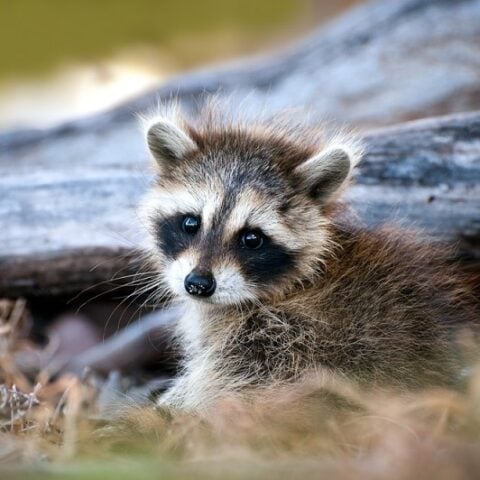
Throughout the warmer months, wildlife are busy raising their young and finding places to call home. During this time, it is completely normal to see animals out during the day, including babies or wildlife that may appear sick or injured.
The HSOMH Animal Services Department has a few helpful tips on how you can safely observe wildlife during this time, and what you can do to help!
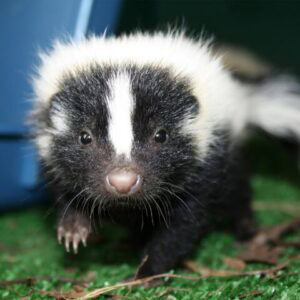
Not sure what to do?
If you come across wildlife and something does not seem quite right, reach out for help. It can be hard to know what’s normal and what’s not, but online searches do not always give accurate advice. When in doubt, it’s best to reach out to professionals like your local Humane Society, Animal Services, or Wildlife Rehabilitation Centre.
How you can help
- Please do not feed wildlife
While it may seem helpful, feeding wildlife, especially babies, can actually do more harm than good. Animals that are hypothermic or dehydrated are at a high risk of death if given food. Items like milk replacers, bread, or other human foods are not suitable and can make their condition worse. - Leave wildlife in the wild
Wild animals are best left in their natural environment. If they need help, trained professionals are best equipped to care for them. While it may be well-intentioned, trying to care for wildlife at home can cause additional stress or unintentional harm. 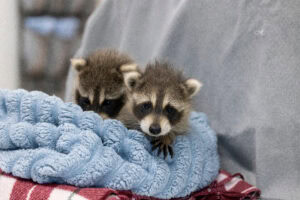 Give them space
Avoid handling wildlife of any kind and keep a safe distance. This helps protect both you and the animal. Diseases, ringworm, fleas, and ticks can spread easily from animals to humans.
We are here to help
If you believe you have found an injured, sick, or orphaned wild animal, please contact HSOMH at (905) 845-1551. Our team would be happy to help guide you on the next steps.